

Is Palliative Care The Right Choice for End Stage Renal Disease?
If you’ve been diagnosed with end stage renal disease, we know you must feel overwhelmed, worried and even frightened. You may be wondering how you’re going to manage the demands that this disease will place on you both physically and psychologically. After all, chronic kidney problems affect almost every facet of your body.
Don’t worry—you’re not in this alone. In fact, palliative care can help.
Palliative care is not just for those who have cancer, heart disease or ALS—it is also the right choice for those who have end stage renal disease.
We’ll take a look at how palliative care can make a big difference in the lives of those who are coping with this disease as well as what makes Lower Cape Fear LifeCare different from other area hospice and palliative care organizations.
How Does Palliative Care Help Those with End Stage Renal Disease?
You don’t need to wait until you are in the final stages of kidney disease to receive palliative care. You can receive services at any age or any stage of the illness.
Following are six ways palliative care provides benefits to those with kidney disease, including alleviating pain, managing symptoms and minimizing stress. The goal is to improve the quality of life not just for you, but for your entire family.
1. Palliative Care Manages Pain from End Stage Renal Disease
Our nurse practitioners specialize in palliative care and will work closely with you to alleviate pain from chronic kidney disease.
These health care professionals’ expertise in pain and symptom management can help improve quality of life for patients with renal failure.
2. Palliative Care Will Help You Manage Other Conditions
Renal disease or chronic kidney disease is usually accompanied by a variety of other health care conditions. Often, this may include high blood pressure, diabetes and heart disease. We’ll help you coordinate your treatments and medications to help ensure you’re following every detail of your treatment plan.
3. Palliative Care Helps Those With End Stage Renal Disease Communicate With Providers
Coordinating your care means coordinating with specialists, such as nephrologists (kidney specialists) and/or primary care physicians. By helping streamline communication, you can clearly evaluate your goals for continued care and treatment.
Your palliative care team can support you as you make decisions about your health care, such as whether or not to continue with dialysis. They can also assist in helping you document your advance care wishes.
In certain cases, you may be eligible for a kidney transplant. If so, it’s not unusual for candidates to work closely with a palliative care team both before and after transplantation.
4. Your Palliative Care Team Provides Education About Renal Disease
Often, the fear of the unexpected can cause unnecessary stress, worry and frustration. Because we have experience helping patients with this condition, we are able to help both you and your family members understand treatment options and how to manage symptoms.
5. Palliative Care Helps Monitor Disease-related Issues
Some of the other renal disease-related health issues we can help monitor include:
- Infection prevention—those with kidney disease often have compromised immune responses, making them more vulnerable to infection.
- Anemia
- Pericarditis, a condition where the membrane that covers your heart is inflamed
What Is the Difference Between Palliative Care and Hospice?
Many people think these words can be used interchangeably, but they are actually two different things.
Palliative Care, also known as palliative medicine, is specialized medical care for people living with serious illnesses. It is focused on providing patients with relief from the symptoms and stress of a serious illness – whatever the diagnosis. While you are in palliative care, the disease is still being treated.
Palliative helps those who have illnesses such as:
- Heart disease
- ALS
- Diabetes
- COPD
- Dementia
- Cancer
Not sure if you or your loved one qualifies for palliative care? Review this informational checklist for the answer.
Hospice care occurs when curative treatments are no longer available or desired, typically when life-expectancy is six months or less given the current illness progression.
Not sure which care is right for you or a loved one? These questions will help you decide.
Lower Cape Fear LifeCare Helps Those with End Stage Renal Disease
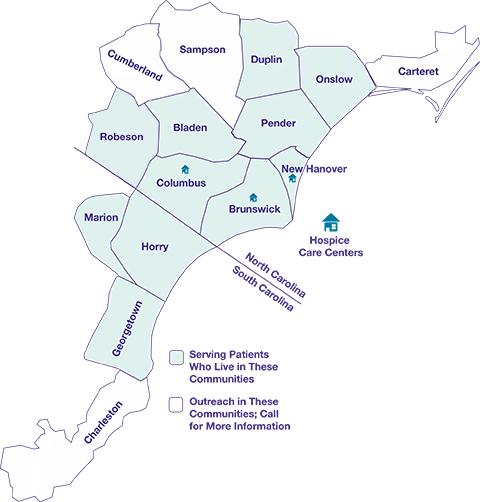
For decades, we have served those in Southeastern North Carolina, Columbus County, Northeastern South Carolina and Horry County.
You’ll find that not all hospices are the same. At Lower Cape Fear LifeCare, we’re a nonprofit hospice dedicated to providing the highest quality care regardless of your ability to pay.
We are continually expanding our scope of support and have ranked higher than the national average in all eight categories on a national caregivers’ survey.
Contact us to discover how we can help those with end stage renal disease and other serious, chronic illnesses through our palliative care services.